The Founder's Plateau
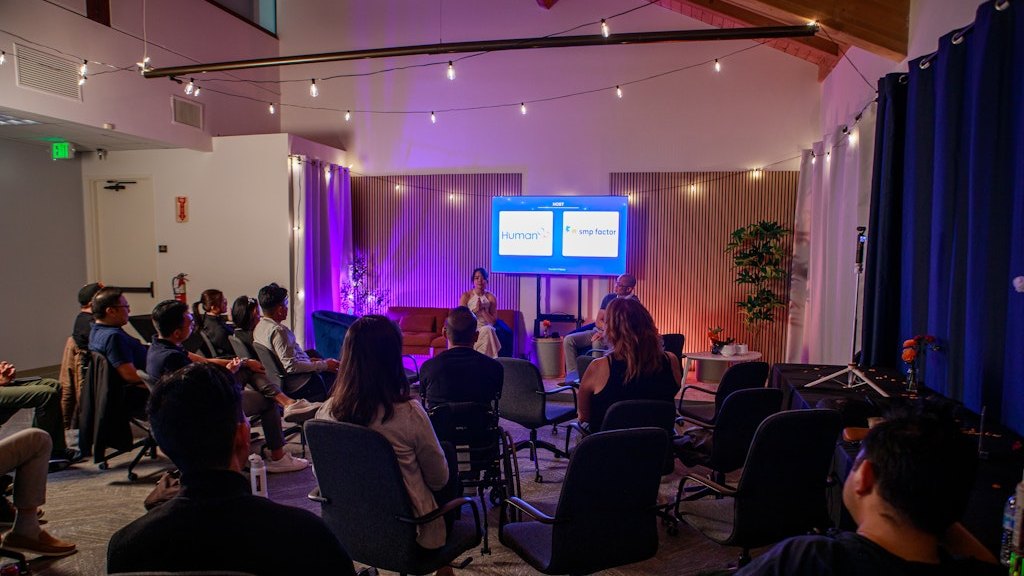
The room during a Founder's Plateau evening: string lights overhead, founders seated facing the two chairs up front
Next room · Tuesday, August 18 · San Mateo

Nobody builds
something great alone.

The Founder's Plateau is a room of founders, real food, and the conversation you usually only have with yourself at two in the morning. Bring the thing you're actually stuck behind and get a straight read on it that night, not a follow-up call. Two chairs up front, and the one taking your question has supported founders through this and been through it himself. Nobody is working the room for your card.

A fireside chat series for founders. Hosted by Wei Houng and Liz Nguyen, presented by The HumanOp Nexus.

People who met here went on to work together Every room ends in small groups 10 to 20% of every ticket goes to nonprofit partners

Wei has spent thirty years advising operators, from bootstrapped founders to people running Fortune 1 companies. He's taken some of them through exits and valuations in the seven, eight and nine figures. That work has run through tech, entertainment, restaurants, real estate, retail, textiles and professional services, and some of it was with athletes rather than companies.

Those have almost nothing in common, which is the point. Domain knowledge doesn't travel between a textile mill and a tight end. The read on the person does. That's what he's doing in the chair.

The plateau

You can't hit a plateau you haven't climbed to.

That's the purpose behind the name, and it turns the whole thing around. You can't start a business and already be at a plateau. That just means you haven't started. But if you founded something, and you grew it, and now it has flattened out, you got somewhere. It's a precursor to the next chapter.

Most people hit it, get a little freaked out, and never clock that it's just time to shift gears. So they stay on the wheel.

Plenty of people hear about a room like this, say it sounds great, and then quietly go back to their usual patterns. What a night like this really asks is whether you'd change the thing you worked hardest to get good at. That's a heavy question to pick up on a weeknight.

A founder in one of these rooms said the quiet part out loud, and it's stayed with us since. "It's scary, especially accepting that you don't quite know how to make that transition." Nobody in the room disagreed.

Here's the part that helps. If everything routes through you, that's because you're also the asset, and an asset can be codified. The stuff that only lives in your head can live somewhere else. That's the whole game. What keeps founders from doing it is that when you give birth to something you already know the cord gets cut eventually, and with a business nobody tells you when. You don't know what you are on the other side of cutting it. So you don't cut it, and now you're the bottleneck again.

The other thing that keeps it stuck is that most founders have nobody they can say any of this out loud to. Not the team, they need you certain. Not the investors, they need you winning. Not the family, they've carried plenty. So it stays a private problem, and private problems just sit there.

That's why this room exists. Not to be talked at. To be in a room where everybody is carrying some version of the same weight, and saying it out loud is the ordinary thing to do rather than the brave thing. Ask your own question and what comes back is specific to your situation, which is a different thing entirely from listening to somebody else's. Right? That's the whole point of the night.
What a night actually is

Five things that are the same every time.

Every edition moves to a new venue and a new table. These five stay put.

Food worth staying for

A chef builds the menu. One night it was six courses of finger food from a chef with a two-Michelin-star background, and people were still bringing it up weeks later. You eat well, and you eat sitting next to somebody worth knowing.

Nobody sits at the edge

Some rooms are twenty people. If a venue can hold a hundred, we'll fill it. Either way the night breaks into small groups before it ends, and either way the questions come from whoever wants to ask one. Nobody spends the evening hovering at the edge of a conversation they can't get into.

Conversations that go where they usually don't

The real question gets taken live, in front of everybody. One night it turned into pricing, and people had to say their number out loud and then sit in the quiet afterward instead of rushing to explain it. Somebody who owns a bagel shop got asked what the happiness on his employees' faces was worth. He said priceless. Then the question became how you put a price on a bagel.

Lifetime connections

Actual collaborations that started at this table and outlasted the night by a long way. Peter met Tony here. Ramon met a chef named Bao and was promoting his business the following week.

A modern-day village

The same line closes every one of these. "This is a village dynamic that we're developing. Modern-day village." You leave with people, not a list. A few humans who know your actual situation and pick up when you call.

5:45PM
Doors, food, wander

Come hungry. Eat, wander, talk to whoever. Nobody is going to make you do a name-tag icebreaker.

6:30PM
Fireside chat & open Q&A

Two chairs, not a podium. The questions people submitted when they registered get gathered up beforehand and worked into the conversation, so the night never stalls waiting for somebody brave enough to go first. Bring the wall you keep hitting. Answers happen in front of everybody, which is usually more useful to the room than to the person who asked.

8:00PM
The village discussion

The part people stay for. Open floor, small groups, and the exchanges that turn into somebody's next collaboration.

Who's actually in the chairs. One room had an estate planning attorney in it. Somebody who owns a bagel shop. A chef. A content creator. A brand photographer. Two software consultants. Almost nobody there ran the same kind of business as anybody else, which is why the pricing conversation worked on all of them at once.

By nine the chairs have moved. Somebody is still holding a plate they forgot about. The question from the fireside has broken into three smaller conversations and nobody is looking at the time. That's usually when the good part happens.

What people left with

Who's still talking.

These came back after people had gone home and slept on it.

Met at the table. Lunch, then dinner, then working out how to support each other's businesses.

— Peter Huynh, Digiex

Connected in the room. The next week they were promoting each other, Bao's business and Ramon's content page.

— Ramon, content creator & community builder

Met over the food, and kept talking long after it. "It's been a genuine connection, and I wouldn't be surprised if something comes of it."

— Amanda Pham-Huynh, Xanh Law

Those are the ones people came back and told us about. There are probably others nobody mentioned.

Every photograph on this page is by Awnica of Feeling Brand Nu. She was coming anyway, we asked if she'd shoot it, and she took her ticket as the fee. Which is roughly how the whole night works.

The scary part was never learning the thing. It's what happens after, when you go home and have to figure it out alone again. That part gets a lot smaller when the people who were in the room stay reachable.

In their words

What stayed with them.

That pricing exercise really did get to me — having to say a number out loud for my own work as an estate planning attorney, and sit there with it instead of immediately softening it or explaining it away. I think a lot of us in that room have gotten used to almost apologizing for what we charge.

What I keep coming back to is how we reframed it: stop thinking of a price as a number attached to a deliverable, and see it as a reflection of the value you actually place on your own work. It's one thing to price a document. It's another to price the judgment, the years, and the care that go into it.

If someone asked me to describe The Founder's Plateau to another founder, I'd say it's one of the only rooms where people actually say uncomfortable things instead of talking around them. Pricing included. That's rare, and it's worth showing up for.

Amanda Pham-Huynh Xanh Law

Founder's Plateau is about connection and real conversations. It's a place where you can share setbacks and frustrations. You can learn from others and offer your insights too.

Wei was very welcoming and I felt special. I finally got to meet Tony at that event and we've been collaborating with each other ever since.

Peter Huynh Digiex

Based on everyone's discussion, I felt like most entrepreneurs have the same issue — marketing, branding and scalability. Once we know how to pitch our strengths, people resonate with us.

What stuck with me most was wants versus needs. What you need is very corporate. You need money, you need this contract. But what do you really want? It's important to look inwards and reflect.

Ramon Content creator, music promoter, community builder
Why the food matters

The food feeds twice.

A table is the oldest thing humans have for getting honest with each other, so the food isn't decoration on this event. It's how the night works.

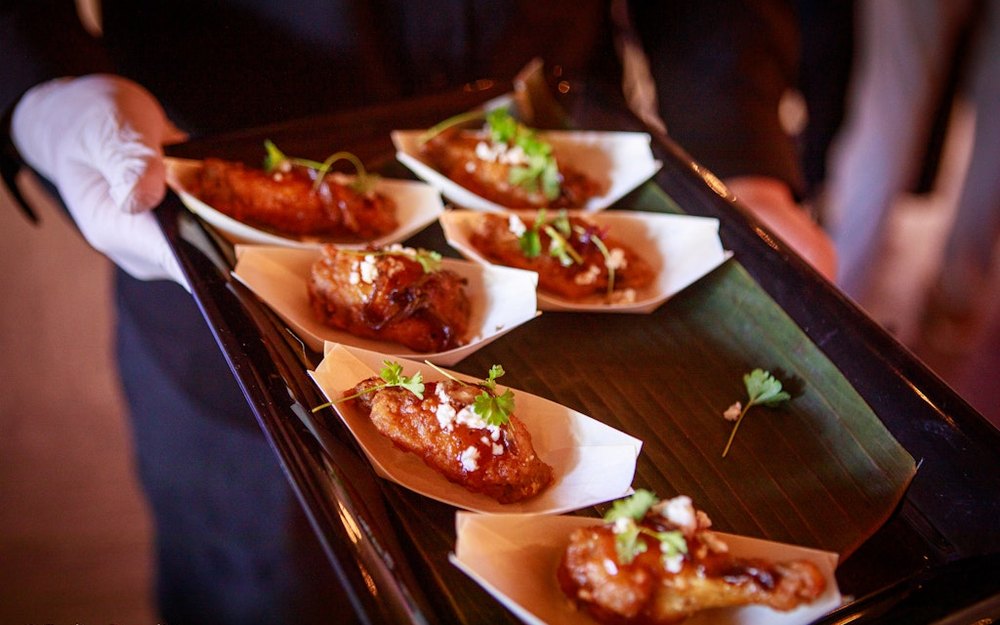
Which is why we don't cut the food budget. We work with chefs and local food businesses who are proud of what they make and want their name on it. Bao brought the food to the first one. Andy's Cafe sent the coffee. That night's menu ran mushroom tartelettes, pâté chaud, a shrimp and mango ceviche shot, tangy chicken wings, and a brussels sprouts salad with honey mustard and truffle oil.

A share of every ticket goes to HumanOp Impact Alliance nonprofit partners too. Past editions have sent 10 to 20 percent of proceeds to partners including Andy's Cafe and the Verity Foundation. So you eat well, and somebody else eats too.

A tray of chef-plated bites being served at a Founder's Plateau evening
Bring it to your people

This room is built to travel.

The series doesn't belong to a venue or a city or a calendar. If you've got a room, a kitchen, or an audience full of people carrying too much on their own, there's a version of this we can build with you.

That's how the editions happen. Somebody offers a room and a few weeks later there's a night in it. Partners have hosted in their own space, under a name that fit their crowd, co-hosted with us. Nobody had to have done this before.

Host a pop-up at your venue

Restaurants, lounges, showrooms, private clubs, co-working spaces, wineries, galleries. Twenty people or a hundred and twenty, we work to the room you have.

Straight answer on money, because you're going to ask. This isn't a room rental and we don't come with a venue budget. Ticket revenue covers the food, the production and the nonprofit share, and the night roughly breaks even. What you're being offered is a full room on a dead night, at no cost and no labour to you.

What you getA room of Bay Area founders in your space, as many as it comfortably holds, on a night that would otherwise be quiet. The guest list is yours. Your name on the event page and in everything we send, a co-host credit on the listing, and professional photos and video of your room full and working that you can use however you like. The photographs on this page came out of nights like it. A share of every ticket goes to nonprofit partners, so what you're hosting is closer to a fundraiser than a marketing night.
What we needA warm room for the evening, seating for however many it holds, and one person on site who can say yes to things. That's the whole ask.
What you don't have to doYour staff doesn't work it. Volunteers from our nonprofit partners set up and clean up. You don't buy or cook anything, the food comes from licensed operators with their own permits and insurance, and beverages are covered by admission rather than sold at the bar. Certificates of insurance on request, ours and theirs.
Offer your venue

Feed the room

Chefs, caterers, bakers, private-dining operators, coffee roasters, wine and non-alc beverage makers. Collaborate or sponsor, either works.

What you getYour food in the hands of a room full of people who talk for a living, named credit everywhere the event shows up, and a warm introduction to every founder who asks who made this. Bao cooked the first one. A guest called Ramon was promoting his business the following week.
What we needA menu you'd put your name on, and a conversation about what's fair to you.
Offer food & beverage

Bring the fireside to your community

Accelerators, chambers, founder groups, alumni networks, faith and cultural communities, corporate ERGs, conference programmers.

What you getWe run the fireside live for your audience. Real questions from your actual people, answered on the spot, instead of a keynote he could give anywhere. It goes out as value to your community rather than a pitch aimed at them.
What we needA room, a date, and an audience who actually want the honest version.
Bring us to your audience

Collaborate on something else

Co-host an edition, sponsor the series, bring a guest voice to the chair, or pitch us the thing we haven't thought of yet.

What you getA partner who cares a lot more about whether the room lands than about whose logo is bigger.
What we needThe idea, in your own words.
Start the conversation
One form, five doors

Which one is yours?

Pick your reason and the form gets shorter.

Liz reads these herself and writes back, usually inside a couple of days.

If one night isn't enough

Where people go next.

Start with the fireside. It's the cheapest thing we run and that's deliberate. If the night lands and you want to keep going, here's what's on the other side of it.

Straight answers

Before you ask.

Do I have to be a "founder"?

One room had an attorney, a bagel shop owner, a chef, a content creator, a photographer and two consultants in it. So the honest answer is no. The version we use is to look at the word: what did you find? If you found something that gives you a platform and a space to work in your own zone of genius, that's the filter. It doesn't have to be attached to a business or a funding round.

Is this a pitch in disguise?

HumanOp® runs it and there are other things we sell, which you can see a few sections up. The fireside is priced low deliberately, because it's the cheapest way to find out whether this room is any use to you. Nothing gets sold from the front of the room. At the end of the night you hear once that the other rooms exist, and then we drop it.

What if I don't want to speak in front of everybody?

Then don't. Registration asks what you're stuck on, and those answers go to Liz before the night. She consolidates them and works them into the conversation, so the thing you're carrying can get taken on without you ever raising your hand. Plenty of people come to listen and leave with what they needed. If you do want to say it out loud, the floor is open, but nothing about the night requires it.

What if somebody there is just working the room?

It happens, and we're not going to pretend we can vet everyone's intentions at the door. Any room of founders will have somebody in it who came to sell something. What we do is set the expectation out loud at the start of the night: come for yourself first. Bring your own wall, take your own read, and let whatever else happens happen. Every collaboration that has come out of these rooms started that way, from people who showed up to work on their own thing and met somebody in the middle of it.

What does it cost, and where does the money go?

It depends on the venue and the edition, and the ticket page always says. Whatever it is, it covers the food and the room rather than making money. A share of every ticket goes to HumanOp Impact Alliance nonprofit partners.

What actually happens in the fireside part?

Two chairs and no slides. Liz collects the questions people submitted at registration, consolidates them, and runs the night as an interview, which is what keeps it moving instead of dying in the pause where everybody waits for somebody else to go first. From there it opens up to the room. Somebody names the wall they're actually stuck at and gets a direct read on it in front of everybody, which is usually more useful to everybody listening than it is to the one who asked. Wei has opened one of these by telling the room "my role today is just the tool, so I'm just a tool today." That's the arrangement. The knowledge is a resource sitting in the room, and the room is the point.

I'm not in the Bay Area. Any point in signing up?

Yes, for two reasons. The series runs virtual editions as well as in-person ones. And the venue and community paths above are exactly how this series gets to a new city in the first place. Tell us where you are.

What's HumanOp®, in one paragraph?

A patented method that reads physical markers, the kind anyone can see, to show how a person is actually built to operate. No questionnaire, no self-report. Humans have read each other this way for as long as we've existed, by the patterns nature repeats, and HumanOp® turned that into something repeatable. The only proof that counts is whether the read lands on you, which is most of what the fireside is. The assessment is free if you want to test it before you spend an evening on it.

Notify me Next event